
Cheltenham Festival Betting Tips and Offers 2026: Matching Selections to Available Deals
 Available in US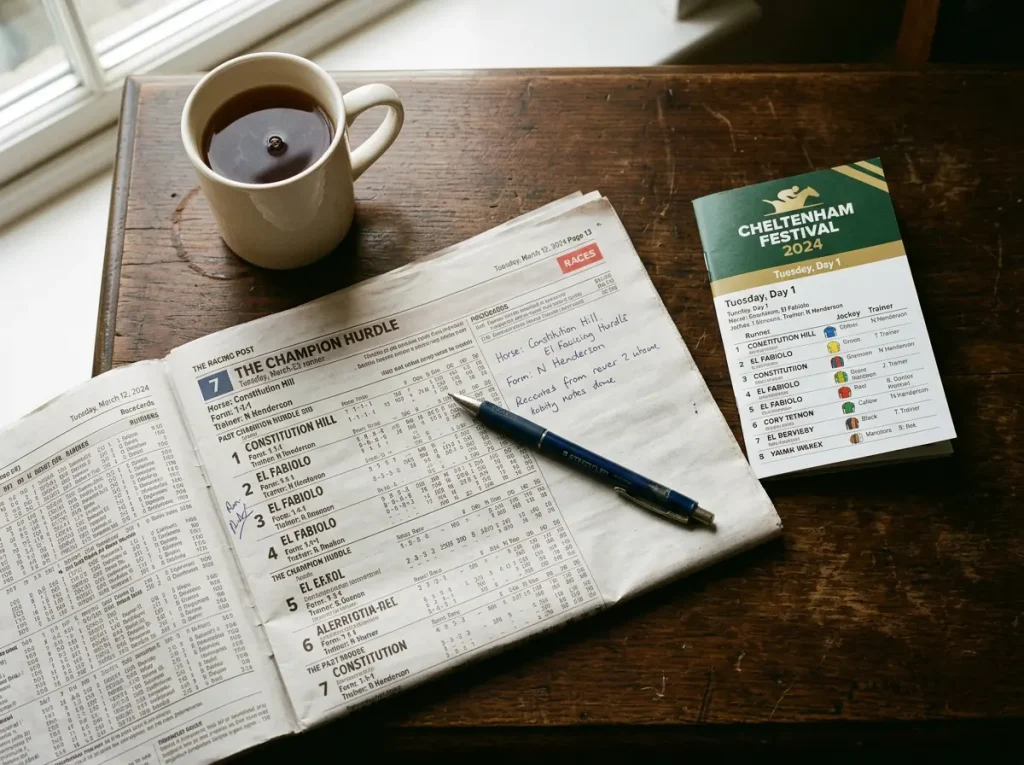
Tips Without Context Are Guesses – Here Is How Offers Change the Calculation
A colleague once tipped me a 10/1 shot at Cheltenham. Good horse, strong form line, trainer in form. I backed it with a free bet token and it won. The return was £100 on a £10 token. If I had backed it with cash instead, I would have received £110. But if I had placed the token on a different selection at 3/1 – a horse I fancied less but which was covered by a money-back-if-second offer – the combined expected value would have been higher. That is the tension at the heart of this piece: a good tip and a good offer do not always point to the same bet, and knowing when they align is a skill that pays for itself across four days at the Festival.
William Hill expects around £450 million in wagers over the four days. A significant portion of that money flows through promotional channels – free bets, enhanced odds, money-back specials. The tip tells you where the value sits in the horse. The offer tells you where the value sits in the bet structure. Combining the two turns a decent edge into a meaningful one.
See also: Best Bookmaker for Cheltenham for practical guidance and examples.
A Framework for Pairing Tips with the Right Offer Type
After nine years of tracking both tips and offers at Cheltenham, I have settled on a simple matching framework that I run through before every bet during festival week. It is not complicated, but it prevents the most common error I see: using the wrong offer type for the selection at hand.
Start with the price of the tipped selection. If the tip is a short-priced favourite at 2/1 or under, a free bet token is the worst way to back it. The stake-not-returned penalty at short odds eats too much of the return. A money-back-if-loses offer or a risk-free first bet is a better match, because the downside protection compensates for the thin payout. At these prices, the tip’s edge comes from reliability, and the offer should protect your stake rather than boost your payout.
If the tip is a mid-priced selection between 3/1 and 8/1, you are in the sweet spot for enhanced odds. A price boost from 5/1 to 7/1 on a horse you already fancy is the most efficient use of both the tip and the offer. The SNR penalty on a free bet is moderate at these prices, so tokens work too, but an enhanced price on a cash bet delivers more because you keep the full stake on a winner.
If the tip is a longer-priced outsider at 10/1 or above, free bet tokens come into their own. The SNR penalty is negligible at double-figure odds, and the token effectively gives you a free shot at a big return. Pairing a long-shot tip with a free bet token is the most efficient combination in the entire framework – you are risking nothing (the token costs you nothing beyond the qualifying bet you already placed) for a potentially large payout.
The field size matters too. In a big-field handicap with 20-plus runners, each-way offers and extra-place promotions add a second dimension. A tip at 14/1 in a 22-runner handicap, placed each-way with extra places paying on the first five, gives you multiple paths to a return. The tip only needs to hit the first five rather than the first three, which substantially improves the probability of a payout without requiring the horse to win. The average turnover per race on core fixtures dropped by 14.4% in early 2025, but handicap races at Cheltenham buck that trend because of exactly this kind of layered promotional value.
Worked Examples: Tip-Offer Combinations for Each Festival Day
Let me walk through how I approach the matching process on each day of the Festival, using generic scenarios rather than specific horses – because by the time you read this, the market will have moved.
On Tuesday, you are likely holding fresh free bet tokens from a welcome offer. The Champion Hurdle favourite is 2/1. You have a tip on the second favourite at 5/1. The best match: place a cash bet on the 5/1 selection if an enhanced-odds boost is available, and save your free bet tokens for a later race on the card where a mid-priced or long-priced tip aligns with the token maths. Do not burn a token on the Champion Hurdle favourite at 2/1 – the £10 token only returns £20 on a winner, when the same token on a 10/1 shot later in the afternoon returns £100.
On Wednesday, the Queen Mother Champion Chase often produces a strong favourite. If your tip lines up with the favourite, look for a money-back-if-second deal on that race rather than using a token. Use your remaining tokens on the big-field Wednesday handicaps, where the odds spread is wider and the SNR penalty is smaller. If a daily acca boost is available, a treble combining your strongest Wednesday tip with two each-way handicap selections is a sensible use of the boost – three legs keep the probability realistic while the boost adds 5-10% to the combined return.
Thursday brings the Stayers’ Hurdle and the Ryanair Chase – two championship races with distinct market profiles. The Stayers’ Hurdle field tends to be smaller, with a dominant favourite; the Ryanair can be more open. Match tips accordingly: tokens on the Ryanair if you fancy a mid-priced runner, and a cash bet with BOG on the Stayers’ if you like an early price that might drift.
Friday is deployment day. Any remaining tokens expire soon. Match them to the races where your tips offer the best odds structure – and if you have no strong view on a particular race, use the token on the biggest-field handicap on the card, where the range of prices gives you the widest selection of value bets. The worst use of a Friday token is a panic bet on the Gold Cup favourite at 2/1 because you forgot to use it earlier.
The ante-post betting offers guide covers an additional dimension: pairing tips with early-market promotions before the Festival starts, where the price advantage can be even larger than anything available on race day.
Frequently Asked Questions
See also: cheltenham betting deals and get expert tips with offers.
